



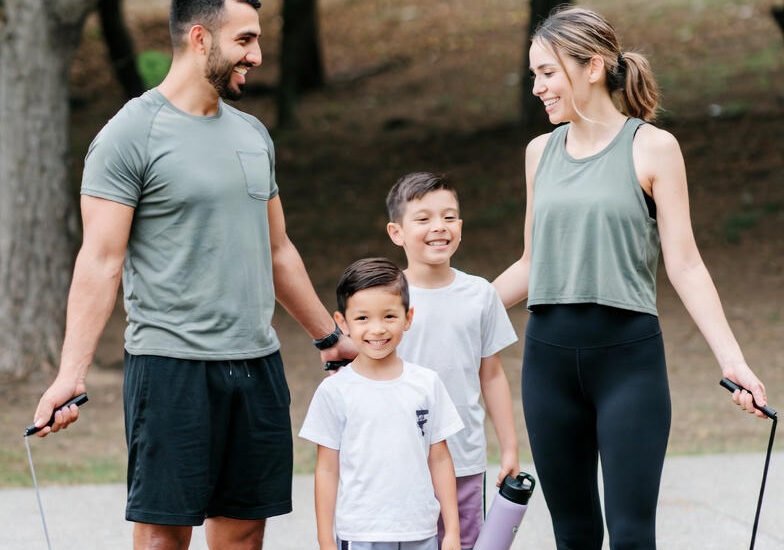
The Value of Shared Experiences with Loved Ones
Shared experiences among family members and loved ones hold significant value in enriching relationships and fostering a deeper connection. Engaging in activities together not only strengthens emotional ties but also enhances communication and understanding. Whether it involves simple family gatherings, outdoor adventures, or health-focused activities, these moments contribute to building a cohesive family unit. By participating in shared experiences, individuals can create a sense of belonging that enhances emotional support.
Furthermore, shared experiences are fundamental in promoting health and wellness within the family structure. Activities that encourage physical movement, such as hiking, biking, or engaging in sports, not only improve physical health but also serve as a catalyst for building lasting memories. Families who prioritize shared activities centered around health often find themselves developing healthier habits collectively. This shared journey towards fitness fosters motivation and accountability, making it easier to sustain those behaviors over time.
Moreover, the absence of technology during shared experiences allows for more meaningful interactions. In a world increasingly dominated by screens, prioritizing time spent together without distractions creates opportunities for open dialogue and personal growth. This undistracted time nurtures an environment where members can express their thoughts and feelings, thereby enhancing mutual understanding and respect.
In essence, the shared moments built with family and loved ones can lead to an enriched life. They enhance the quality of relationships through the cultivation of trust, support, and joy. As families embark on these journeys together, they cultivate a reservoir of cherished memories that contribute to a fulfilling life. Engaging in shared experiences is not just beneficial; it is essential for nurturing the bonds that unite families in an ever-changing world.
Training Together: A Path to Fitness and Connection
Engaging in physical training together as a family unit offers numerous benefits that extend beyond just improving health. When families participate in fitness activities such as hiking, biking, or attending group fitness classes, they foster a supportive environment that enhances both physical wellbeing and interpersonal relationships. This shared experience not only promotes individual health but also strengthens family bonds.


One of the primary advantages of family training is the motivation it generates. Working out as a unit encourages accountability, as members can help each other set and achieve fitness goals. Whether it is planning a weekend hike or joining a yoga class, having family members involved can lead to increased commitment and consistency in maintaining a healthy lifestyle. Moreover, children and parents alike benefit from positive role modeling when they engage in fitness together, setting a precedent for active living.
Participating in outdoor activities, such as biking or hiking, not only challenges individuals physically but also allows families to explore nature together. These experiences cultivate teamwork, as families learn to support one another during physically demanding hikes or through the thrills and spills of a biking excursion. Similarly, group fitness classes can enhance interaction and develop vital social skills while offering varied workouts to maintain interest and engagement.
Moreover, training together can improve mental health, as engaging in physical activity is known to release endorphins that elevate mood and reduce stress. Family workouts can serve as a valuable time to communicate, share experiences, and develop mutual respect. Ultimately, training as a family unit transforms fitness into an enjoyable and enriching endeavor, creating cherished moments that contribute to a healthier, happier lifestyle for all involved.
The Health Benefits of Staying Active as a Family
Engaging in regular physical activity as a family serves to enhance not only individual health but also strengthens family bonds, offering numerous health benefits that significantly improve overall well-being. Through consistent training, family members can improve their fitness levels by building endurance, strength, and flexibility. Regular exercise helps to maintain a healthy weight, reduces the risk of chronic diseases such as obesity, diabetes, and heart conditions, as well as promoting cardiovascular health.
Moreover, staying active collectively can boost the immune system, offering families better protection against illnesses. Exercise increases circulation and promotes the release of various chemicals in the body that enhance immune function. By incorporating physical activities into daily routines, families can reduce sick days, improve productivity, and maintain a higher quality of life.
Another critical advantage of family-oriented physical activities is stress reduction. Engaging in exercises such as hiking, biking, or even family sports can create an enjoyable environment that fosters relaxation and alleviates anxiety. Physical activity triggers the release of endorphins, commonly referred to as “feel-good” hormones, which significantly enhance mood and emotional well-being. Consequently, a family that exercises together cultivates not only a healthier lifestyle but also an environment fortified by mutual support and communication.
Establishing healthy habits early on is essential in shaping children’s perspectives on fitness and well-being. Families that prioritize physical activity demonstrate its importance, instilling these values in younger generations. By leading by example, parents and guardians can promote a culture of health that persists throughout their children’s lives. As such, an active family lifestyle creates a lasting legacy of health, showcasing that fitness and well-being can be an enjoyable and fulfilling journey. By prioritizing regular exercise, families can build both physical health and cherished connections that transcend generations.
Creating a Legacy of Wellness and Love
Fostering a legacy of wellness and love within the family is essential for nurturing a supportive environment where each member can thrive. By prioritizing health and training, families can instill values that resonate through generations. Children who witness their parents engaging in physical activity, cooking nutritious meals, and practicing mindfulness are more likely to adopt these habits as they grow into adulthood. This cumulative experience not only fosters individual well-being but also strengthens familial bonds around shared activities.
One effective way to promote a culture of health is to make physical activity a family affair. Establishing a weekly family exercise routine can be both fun and valuable. Consider activities such as hiking, biking, or even dancing in the living room. These moments create an atmosphere of togetherness and instill the importance of staying active. Additionally, incorporating fitness games that encourage collaboration can make exercise enjoyable and help children learn that health and wellness are important aspects of life.
Moreover, introducing healthy cooking practices can further deepen familial connections. Cooking together can evolve into a delightful ritual that teaches children about nutrition while providing quality time with loved ones. Encouraging kids to help in meal preparation, exploring new recipes, or even growing a vegetable garden as a family cultivates a love for nutritious food. Through these experiences, children develop an appreciation for health, understanding that caring for one’s body is an act of love for oneself and the family.
As families infuse love into their health routines, they create treasured moments that will be cherished for a lifetime. By modeling these behaviors, parents give their children invaluable tools to navigate life with confidence and resilience. In conclusion, prioritizing health and training within family dynamics not only builds individual well-being but also fosters understanding and appreciation for personal health and connection, ultimately crafting a legacy of wellness that endures through generations.
About the Author