


Understanding Snacking: The Good, The Bad, and The Healthy
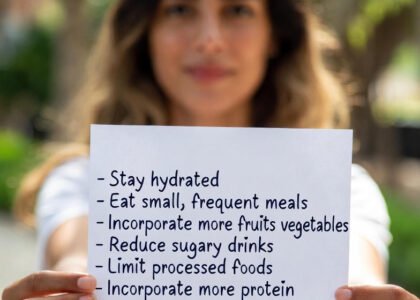
Snacking is a common practice, often seen as a bridge between meals that can complement our nutritional intake and energy levels. When approached thoughtfully, it can transform from an impulsive act into a deliberate strategy that supports health and well-being. The benefits of healthy snacking are manifold. For instance, nutrient-dense snacks can prevent hunger pangs, thereby promoting satiety and reducing the risk of overeating at mealtimes. Healthy snacks, such as fruits, nuts, or yogurt, provide essential vitamins and minerals that contribute positively to one’s overall nutritional profile.
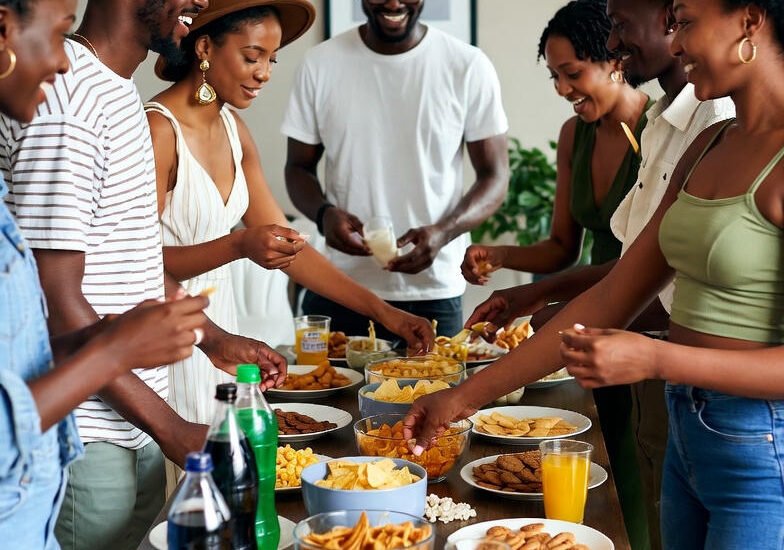
Conversely, unhealthy snacking habits can lead to negative health outcomes. Many popular snack options are heavily processed, high in added sugars, and offer little nutritional value. Such snacks can spike blood sugar levels, leaving individuals feeling fatigued and prompting a cycle of cravings that leads to further unhealthy choices. It is crucial to recognize that not all snacks are created equal; choosing wisely is paramount to reaping the benefits of this eating habit.
There are also prevalent misconceptions surrounding the concept of snacking that may hinder healthy eating habits. For instance, many believe that any form of snacking contributes to weight gain, but this view fails to consider the quality and quantity of the snacks consumed. Moreover, some people think that snacking frequently is synonymous with poor eating habits, neglecting the fact that strategic snacking can actually enhance energy levels and improve focus throughout the day. Recognizing that a balanced approach to snacking can enrich one’s diet can aid in making more informed choices, ultimately fostering a healthier lifestyle.
Choosing the Right Snacks: A Guide to Nutrient-Dense Options
Snacking plays a significant role in maintaining energy levels and supporting overall health. To choose the right snacks, it is essential to focus on nutrient-dense options that provide essential vitamins and minerals without excessive calories. This guide will examine various snack categories, including fruits, vegetables, nuts, and whole grains, while highlighting their nutritional benefits.
Fruits are an excellent choice for a healthy snack due to their high vitamin content and natural sweetness. Options such as apples, bananas, and berries provide fiber, which aids digestion and promotes satiety. Additionally, they are rich in antioxidants, which contribute to overall health by fighting free radicals in the body.
Vegetables are another top choice for nutrient-dense snacking. Raw options like carrots, celery, and bell peppers are low in calories and high in vitamins and minerals. Pairing them with healthy dips, such as hummus or guacamole, enhances both flavor and nutrient intake. This combination not only satisfies hunger but also encourages the consumption of more vegetables throughout the day.
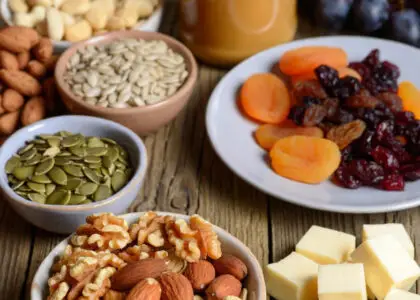
Nuts and seeds are great sources of healthy fats, proteins, and fiber. Almonds, walnuts, and chia seeds can help manage hunger and provide a sustained energy release. However, portion control is vital when consuming nuts, as they are calorie-dense. A small handful is often sufficient to reap the benefits without overindulging.
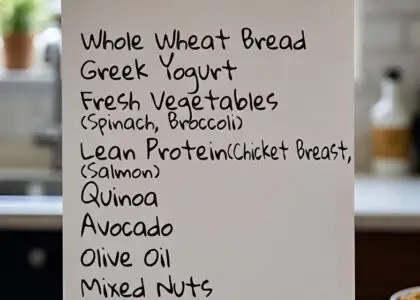
Whole grains also make excellent snacks. Options like whole-grain crackers or oatmeal provide not only essential nutrients but also sustained energy, keeping you full longer. Reading labels is crucial to ensure you select snacks that are high in fiber and low in added sugars or unhealthy fats.
Preparation methods can significantly influence snack healthiness. Preparing snacks in advance can aid in making healthier choices, ensuring that nutrient-dense options are readily available when hunger strikes. By being mindful of these elements, individuals can make informed decisions that align with their dietary goals.
Practical Snacking Strategies for Everyday Life
In today’s fast-paced environment, incorporating effective snacking strategies into daily routines can significantly enhance overall well-being. A well-planned snacking approach not only helps in maintaining energy levels but also ensures that nutritional needs are met. To implement practical snacking strategies, individuals should first focus on planning and preparation. Setting aside time each week for healthy snack preparation allows one to create a variety of nutritious options, making it easier to avoid unhealthy choices during busy moments.
Creating a designated snack station at home with pre-portioned snacks can streamline the process. This station may include items such as cut vegetables, nuts, or whole-grain crackers that cater to different dietary needs. Additionally, carrying portable snacks while on the go can facilitate healthy eating choices. Options like granola bars, dried fruits, or yogurt pouches serve as excellent snacks when time is limited, preventing the urge to indulge in unhealthy alternatives.
Mindful eating practices are crucial for enhancing the overall snacking experience. Taking the time to savor each bite not only improves enjoyment but also increases feelings of satisfaction. It is essential to create an environment that minimizes distractions, which can lead to overeating. For instance, engaging in snacking without screens allows one to focus on the taste and texture of the food, encouraging slower eating patterns that promote fullness.
To optimize snacking further, individuals may consider employing techniques such as portion control. Using smaller containers for snacks helps in managing serving sizes effectively, which can play a vital role in maintaining energy levels without excessive calorie intake. By integrating these practical strategies into daily life, one can significantly enhance the experience of snacking while promoting a balanced dietary approach.
Snacking and Repeating: Creating a Balanced Snack Routine

- شامبو مكثف للشعر الخفيف – هل تبحث عن حل لتخفيف الشعر أو تساقط الشعر؟ ثبت سريريًا أن شامبو وبلسم العافية الروتينية للنساء…
- ثق في النمو في كل غسلة – المزيد من الجسم واللمعان والحركة – حتى يبدو شعرك نابضًا بالحياة وتشعرين بالقوة كل يوم. تركيبتنا…
- يساعد على تقليل التقصف وزيادة كثافة الشعر – هل تريدين شعرًا أقوى وأكثر كثافة؟ تم تركيب مجموعة الشامبو والبلسم هذه لتقليل…
Establishing a balanced snack routine is essential for maintaining energy levels and supporting overall health. To create an effective snacking strategy, individuals should consider the timing and content of their snacks throughout the day. A well-planned snack routine not only provides nourishment but also ensures that snacking remains an enjoyable part of one’s diet.
As a general recommendation, individuals can aim to snack every 2 to 3 hours, incorporating a mix of protein, healthy fats, and carbohydrates into their choices. This combination enhances satiety and stabilizes blood sugar levels, preventing the energy dips commonly experienced between meals. For example, pairing hummus with whole-grain crackers, or yogurt with fresh fruit, can create satisfying and balanced snacks that meet nutritional needs.
In addition to structured timing, it is important to remain mindful of individual hunger cues. Each person’s snacking needs may vary based on factors such as activity levels, metabolic rate, and personal health goals. By tuning in to one’s body, individuals can determine when they genuinely require a snack and adjust their routine accordingly. This practice fosters a more intuitive approach to eating, making for a more pleasurable snacking experience.
Experimenting with different snack combinations and flavors can also help maintain enthusiasm around this routine. Incorporating a variety of colors, textures, and tastes not only makes snacks appealing but can also introduce diverse nutrients into one’s diet. Whether it’s trying a new nut mix or incorporating seasonal fruits, creativity can play a significant role in enriching one’s snacking landscape.
Ultimately, creating a balanced snack routine requires both planning and flexibility. By recognizing personal preferences, nutritional needs, and activity levels, one can cultivate an enjoyable snacking experience that promotes wellness and satisfaction.
Please choose display type!About the Author